
Patient Guide · Kenya
Indian Medical Visa for Kenyan Patients: Requirements, Fees and How to Apply in 2026
Kenyan patients can apply two ways — online through the e-Medical Visa, or in person through the High Commission. Here’s what it costs, what you’ll need, and the one health requirement that catches travellers out at the border.
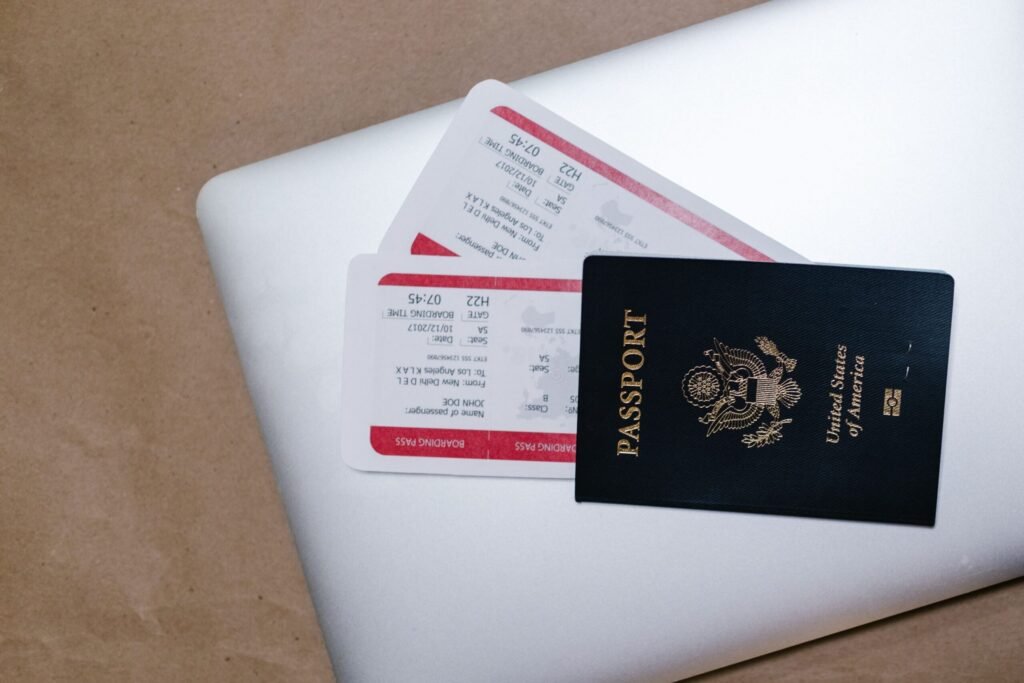
Which visa do you need?
Patients travelling from Kenya for treatment in India need a Medical Visa, not a tourist visa — a tourist visa doesn’t permit hospital admission or ongoing treatment.
Kenya is on India’s eligible-country list for the e-Medical Visa, so you have two real routes:
- e-Medical Visa — applied for entirely online at indianvisaonline.gov.in. Apply a minimum of 4 days before travel, within a window of 120 days.
- Regular (paper) Medical Visa — submitted in person at the High Commission of India in Nairobi or the Assistant High Commission in Mombasa.
Both routes need a genuine hospital invitation letter naming the patient, the illness, the duration of treatment and the estimated cost — that’s the one document neither route lets you skip.
Source: Indian e-Visa portal · High Commission of India, Nairobi — checked 15 September 2026
What it costs
The Medical and Medical Attendant Visa fee for Kenyan nationals, per the High Commission of India, Nairobi’s fee schedule (effective 1 April 2026):
- Up to 6 months, single or multiple entry: US$80 (approx. KES 10,320)
- More than 6 months up to 1 year, multiple entry: US$120 (approx. KES 15,480)
- Indian Community Welfare Fund (ICWF) fee: US$3 (approx. KES 390) — added to every visa application
- Emergency processing surcharge, if used: US$35 (approx. KES 4,520)
The KES figures are indicative — the fee is set in US dollars and the shilling equivalent moves with the exchange rate, so budget in dollars and confirm the current KES conversion close to your payment date. For reference, this is a lower fee band than some other nationalities pay for the same visa — India sets visa fees per nationality, on a reciprocal basis.
Source: High Commission of India, Nairobi — Visa Fees — checked 15 September 2026
Documents you'll need
This is the High Commission of India, Nairobi’s own checklist for the Medical Visa and Medical Attendant Visa:
- Signed hard copy of the online visa application form — for the patient, and for the attendant if applicable
- Two recent colour photographs, 51mm × 51mm, white background
- Invitation letter from an approved hospital or recognised doctor in India, naming the patient and attendant(s), passport numbers, the illness, duration of treatment, and estimated cost
- Medical documents establishing the need for treatment in India, with a local referral letter
- Proof of sufficient funds to cover your stay and the cost of treatment
- Proof of relationship with the attendant (if applicable)
- A signed medical undertaking committing to return once treatment is complete
- Parental consent, if the patient is a minor
One rule worth knowing before you travel to submit: the High Commission states that no application will be accepted from a third party under any circumstance — documents can only be presented or collected by the applicant, an attendant, or a close relative carrying a letter of authority.
Source: High Commission of India, Nairobi — Visa Types — checked 15 September 2026
Yellow fever: the one requirement that stops people at the border
Every traveller arriving in India from Kenya is required to carry a valid Yellow Fever Vaccination Certificate — this applies regardless of which visa you hold.
The vaccine must be given at least 10 days before travel, at an approved facility. The certificate is then valid for life.
Oral Polio Vaccination (OPV) is not required for travellers from Kenya — that requirement applies to a small number of other countries, not Kenya, so don’t let anyone tell you otherwise.
Here’s the part most guides leave out: India’s Ministry of Health states that a traveller who arrives without a valid certificate is quarantined on arrival — until the certificate would have become valid (10 days after vaccination), or until six days have passed since the last possible exposure, whichever comes first. For a patient travelling for scheduled treatment, that is a genuinely serious delay. Get vaccinated with enough runway before you fly.
Source: India Ministry of Health & Family Welfare — IHR Port of Entry · High Commission of India, Nairobi — Vaccination Requirements — checked 15 September 2026
How to apply, step by step
If you’re using the e-Medical Visa (online):
- Get your hospital invitation letter first. Send your medical reports to the Indian hospital and ask for an invitation letter naming the patient, illness, treatment duration and estimated cost.
- Apply online at indianvisaonline.gov.in — a minimum of 4 days before you travel, and within a 120-day window.
- Upload your documents using the checklist above and pay online.
- Travel with your approved e-Visa and present it on arrival.
If you’re using the regular (paper) route via the High Commission or Assistant High Commission:
- Gather your documents using the checklist above.
- Submit in person at Nairobi or Mombasa, during the accepted hours — applications are received in the morning on working days. Remember: no third party can submit on your behalf.
- Pay the visa fee — in Mombasa this is by bank deposit slip at the Bank of India on the ground floor of the same building.
- Collect your passport once the visa is issued — Mombasa states visas are typically delivered on the third working day; Nairobi’s guidance points to 3–5 working days.
Source: Assistant High Commission of India, Mombasa · High Commission of India, Nairobi — checked 15 September 2026
Medical Attendant Visa
Up to two medical attendants are permitted per patient — India’s official e-Medical Visa guidance is explicit that only two e-Medical Attendant Visas will be granted against one e-Medical Visa.
An attendant’s application needs proof of their relationship to the patient, and follows the same route as the patient’s own visa — e-Medical Attendant Visa if the patient applied online, or the paper Medical Attendant Visa if the patient applied in person.
An attendant’s visa is only valid alongside a genuine, approved Medical Visa — it can’t be applied for on its own.
Source: Indian e-Visa portal, FAQ · High Commission of India, Nairobi — checked 15 September 2026
Validity, and what happens after you arrive
The e-Medical Visa and e-Medical Attendant Visa are valid for one year (365 days) from your date of arrival, allow multiple entries, and cannot be extended or converted to another visa type once issued. Checked 15 September 2026 against India’s official e-Visa portal — confirm the current terms before you apply, since visa rules do change.
If your visa is valid for more than 180 days, Indian immigration rules require registration with the local FRRO (Foreigners Regional Registration Office) within 14 days of arrival — your hospital’s international patient team can usually help with this.
Source: Indian e-Visa portal — checked 15 September 2026
Air ambulance and critical transfers
For patients who need to travel in a medical emergency rather than a planned admission, air ambulance transfer from Kenya to India can be arranged — but it’s quoted case by case against the patient’s condition, aircraft availability and route, so there isn’t a fixed price we can honestly publish here. If this applies to you, tell us the patient’s condition and current location and we’ll get you a same-day quote.
Where to apply
- High Commission of India, Nairobi — UN Crescent, Gigiri, Nairobi, PO Box-30074
- Assistant High Commission of India, Mombasa
- Nairobi office hours: 8:45 AM – 5:15 PM, closed weekends and public holidays
- Applications are received on working days, mornings only — check current timing before you travel to submit
- Apply online first at indianvisaonline.gov.in if you're eligible for the e-Medical Visa — it avoids an in-person visit entirely
Source: High Commission of India, Nairobi · Assistant High Commission of India, Mombasa — checked 15 September 2026
How Geo Healthcare helps
The hospital invitation letter is the document every other step depends on — it has to name the right patient, illness, treatment duration and estimated cost, exactly as the High Commission requires. We coordinate this directly with your hospital in India so the letter is right the first time, then hand you a clean, ready-to-submit document checklist.
One thing worth being upfront about: the High Commission does not accept applications from a third party, so submitting your visa application in person (or online, for the e-Medical Visa) has to be done by you or your attendant — we can’t do that step for you, but we make sure everything you bring is correct the first time.
Frequently asked questions
The High Commission of India, Nairobi lists the Medical Visa fee at US$80 for up to 6 months, or US$120 for 6 months to 1 year (effective 1 April 2026), plus a US$3 ICWF fee. KES amounts are indicative and move with the exchange rate.
Yes — Kenya is on India's eligible-country list for the e-Medical Visa, applied for at indianvisaonline.gov.in a minimum of 4 days before travel. You can also apply in person at the High Commission in Nairobi or the Assistant High Commission in Mombasa.
Yes, it's mandatory for all travellers from Kenya, given at least 10 days before travel. Arriving without a valid certificate means quarantine on arrival. Oral Polio Vaccination is not required from Kenya.
Your application form, two photographs, a hospital invitation letter, medical documents with a local referral letter, proof of funds, a medical undertaking, and parental consent if the patient is a minor. The full checklist is above.
The e-Medical Visa and e-Medical Attendant Visa are valid for one year (365 days) from arrival, with multiple entries, and cannot be extended or converted.
Yes — up to two attendants per patient, each needing proof of their relationship to you. An attendant visa is only valid alongside your own approved Medical Visa.
This page explains the Indian government’s own visa process and is not immigration or legal advice — visa rules, fees and document requirements can change without notice. Always confirm current requirements with the High Commission of India, Nairobi before you apply.
Written by the Geo Healthcare Consultancy patient support team · Last reviewed 15 September 2026